
Fitness & Recreation
Planet Fitness
Planet Fitness clubs offer exercise equipment, fitness instruction, and member amenities.
Estimated total investment · USD
$1.28M+
2 offers with different terms
Big-box gyms, small clubs and teaching studios ask very different things of an owner and a lease.

New members arrive with resolutions. By March, keeping them matters more than signing them. A fitness owner spends the year on membership sales, cleanliness, equipment and staff schedules, and the lease is usually the largest commitment you make.
A membership gym with around-the-clock member access and coaching staff. The disclosed role places an on-site operator in the club, while owners keep training and guarantee obligations.
$540K+ starting total investment, USD
Read the Anytime Fitness profileDance instruction using the brand's teaching methods, including virtual lessons. The profile describes an owner-operated teaching business, which is closer to running a school than a gym.
$120K+ starting total investment, USD
Read the Arthur Murray Dance Studio profileClub models sell access to a facility and depend on equipment, security systems and member counts. Studio models sell instruction and depend on the people teaching. Consider whether you want to manage a building or a team of instructors.
Starting figures are each brand's default offer low estimate from its disclosure document, rounded to the nearest $10,000; amounts under $5,000 are shown exactly.
Explore these businesses and the work their owners do.
Fitness & Recreation
Planet Fitness clubs offer exercise equipment, fitness instruction, and member amenities.
Estimated total investment · USD
$1.28M+
2 offers with different terms

Fitness & Recreation
Anytime Fitness is a membership gym offering personal and group training.
Estimated total investment · USD
$540K+

Fitness & Recreation
Altitude Trampoline Park is an indoor recreation business with trampolines, obstacle courses, and other attractions.
Estimated total investment · USD
$2.11M+
2 offers with different terms
Fitness & Recreation
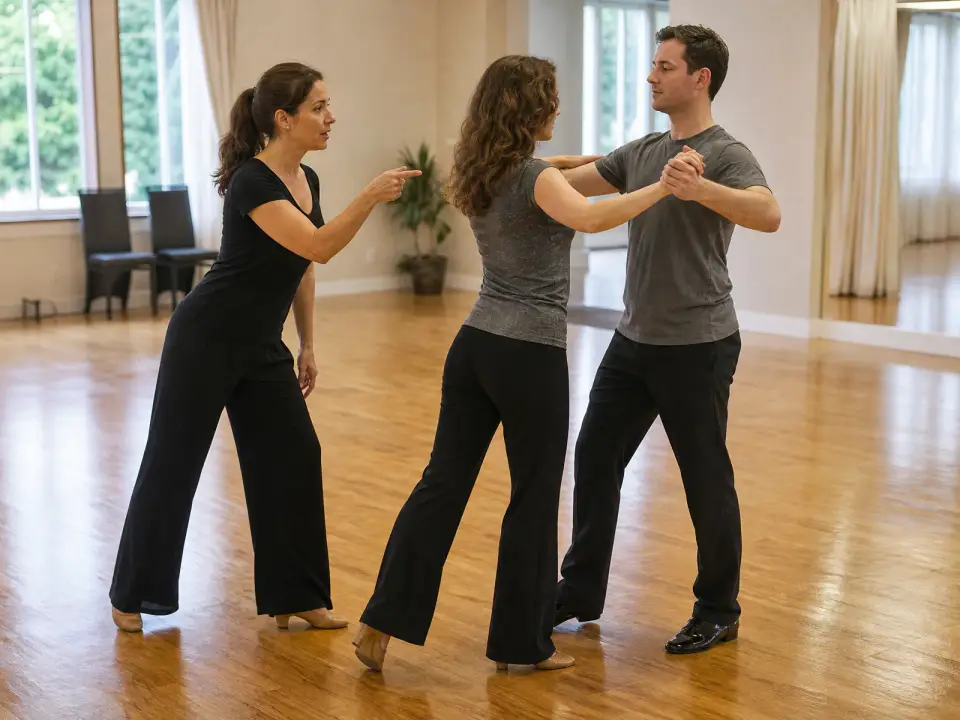
Arthur Murray Dance Studio provides dance instruction to the public, including virtual lessons.
Estimated total investment · USD
$120K+
A gym depends on member retention, a class studio on its timetable, and a recreation venue on visits and bookings. Compare how each uses space and staff before choosing a franchise.
Owners oversee enrollment, staff coverage and facility upkeep. The format determines the mix of managers, instructors, coaches and customer service staff.
Revenue may come from memberships, classes, lessons, admissions or events. Expenses include staffing, rent, equipment, insurance and franchise payments.
Investigate customer retention, demand by time slot, staff coverage, site suitability and the duties you retain if you hire a manager.
Free consultation
Get help comparing brands, understanding the investment and planning your next steps.
A membership gym sells facility access and may offer personal or group training. Pilates and yoga studios center on instructor-led sessions, so class size and the timetable constrain capacity. Sports instruction sells coaching or lessons. Indoor recreation venues may sell admissions, activity bookings or events. Some offers combine these models. Compare the permitted services and how each uses floor space, equipment and staff.
Owning the business and teaching can be separate roles, depending on the offer. The franchise determines who must complete its training and whether you can appoint a manager. Instructor qualifications vary by specialty, and employers often prefer certification. Hiring instructors still leaves you responsible for assessing qualifications, arranging coverage and overseeing service quality. Establish owner, manager and teaching requirements separately.
Allow for staffing, rent, utilities, insurance, cleaning, software, maintenance and required franchise payments. Equipment replacement and mandated renovations may add costs beyond routine upkeep. Ask which expenses continue during quiet periods and who sets the timing of upgrades. Keep operating reserves separate from money needed for personal living expenses. Membership receipts and ticket sales are revenue, not owner income.
Retention means keeping existing customers. If members cancel, new enrollments may simply replace those losses. A studio also needs a workable timetable: a full evening class does not fill empty morning spaces, and customers who cannot book their preferred session may leave. Ask how the system tracks cancellations, attendance and waitlists by time slot. For admission and event models, investigate repeat visits and booking patterns across days and seasons.
The space must suit the activity. A yoga studio, equipment-based gym and indoor recreation venue may need different layouts, utilities and customer access. Before committing to a lease, establish permitted use, occupancy, accessibility and activity-specific building requirements with local authorities and qualified advisers. Franchisor approval does not prove customer demand or remove lease obligations. Clarify who pays for required construction and what happens if approvals are delayed.
Establish who supervises each activity, which qualifications and emergency training staff need, and how inspections and incidents are handled. If an instructor is absent, can a qualified replacement cover the class? For a recreation activity, what staffing is needed before customers can participate? Clarify insurance and coverage requirements for the particular format. Licensing, safety rules and manager permissions vary by activity, jurisdiction and franchise offer.
Still have questions? Talk to us