Beauty & Personal Wellness
4Ever Young
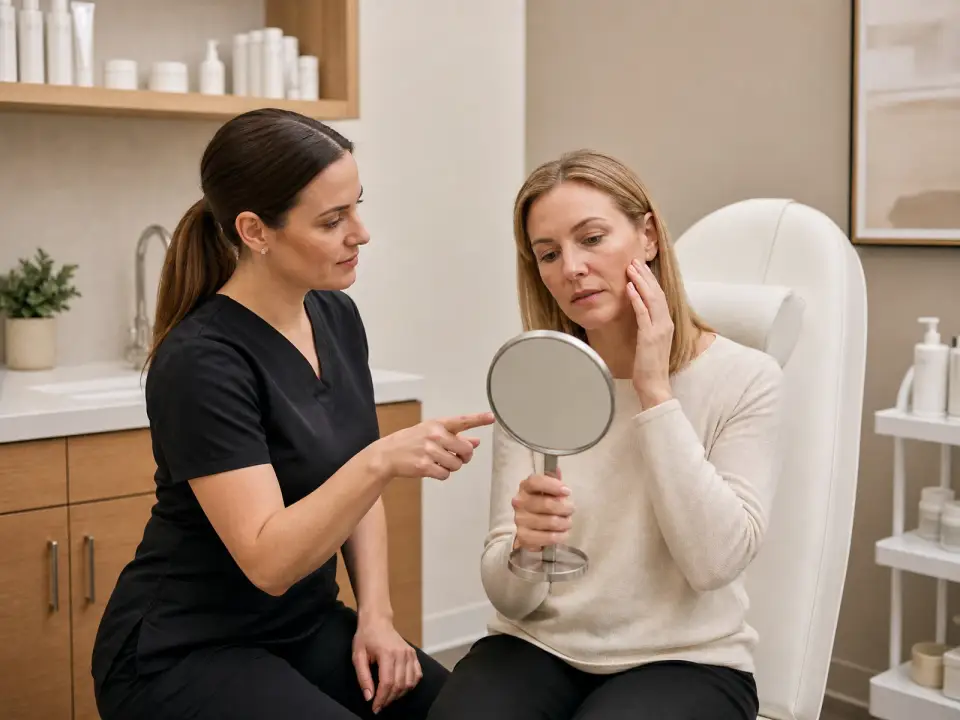
4Ever Young centers offer aesthetic, anti-aging and weight-loss services through qualified care providers.
Estimated total investment · USD
$520K+
2 offers with different terms
You can employ practitioners or rent space to them, and that one difference changes almost everything.

A retail center with waxing suites, wax specialists and guest-services staff. Daily supervision comes from a dedicated center manager, with owner training requirements too.
$330K+ starting total investment, USD
Read the European Wax Center profileEquipped salon studios licensed to independent beauty professionals. You build and manage the rental facility, including shared amenities, laundry, cleaning and booking systems.
$940K+ starting total investment, USD · One new Beauty Bungalows franchise
Read the Beauty Bungalows profileAn employee model rewards hiring, training and keeping service quality consistent. A suite model looks more like real estate: leasing up studios and keeping tenants. Neither is easier; they draw on different skills.
Saturday morning, every chair is booked, and one specialist has called in sick. In an employee model, that gap is your problem to fill. In a suite-rental model, the professionals run their own books, and your job is the building they work in.
Starting figures are each brand's default offer low estimate from its disclosure document, rounded to the nearest $10,000; amounts under $5,000 are shown exactly.
Explore these businesses and the work their owners do.
Beauty & Personal Wellness
4Ever Young centers offer aesthetic, anti-aging and weight-loss services through qualified care providers.
Estimated total investment · USD
$520K+
2 offers with different terms
Beauty & Personal Wellness
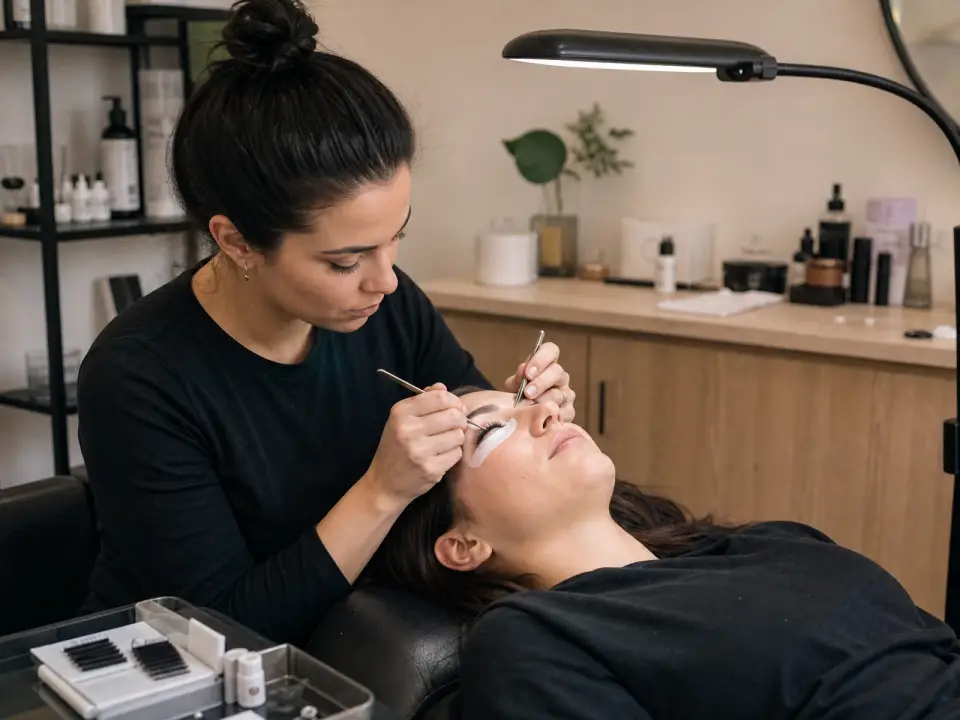
Amazing Lash Studio offers eyelash extensions, eyebrow services, facial hair removal and related beauty products.
Estimated total investment · USD
$460K+
2 offers with different terms
Beauty & Personal Wellness
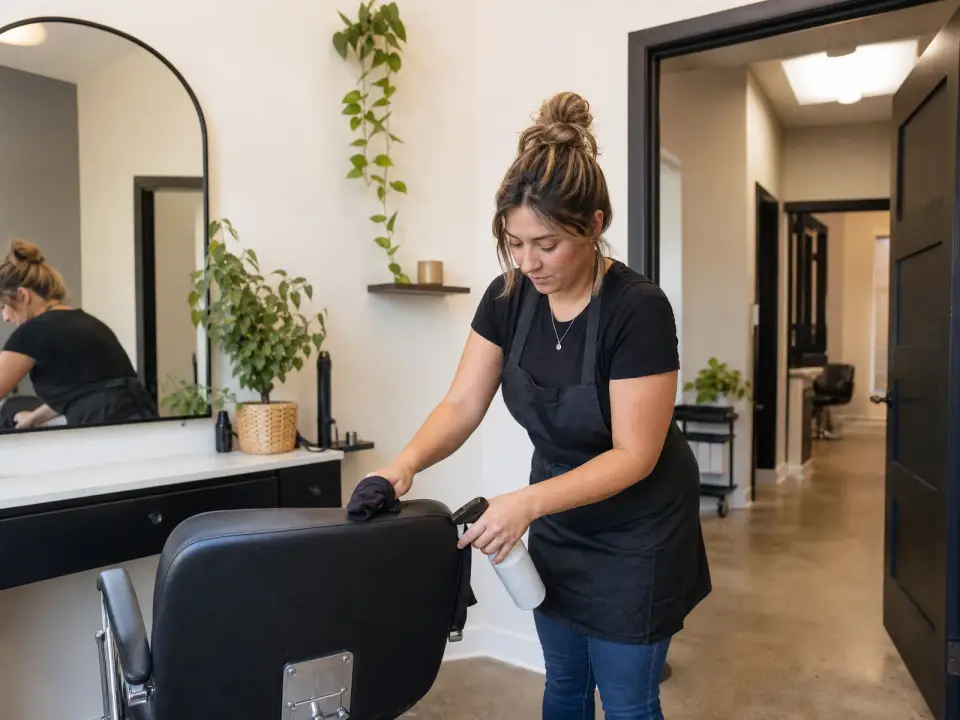
Beauty Bungalows licenses equipped salon studios to independent beauty professionals.
Estimated total investment · USD
$940K+
2 offers with different terms
Beauty & Personal Wellness
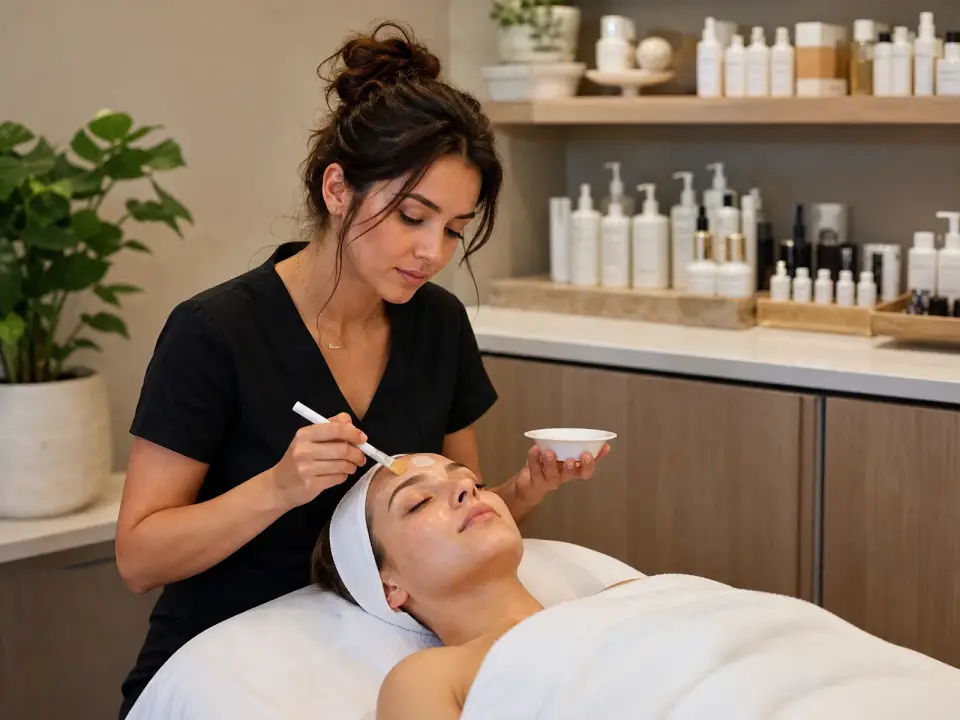
Clean Your Dirty Face offers facials, related beauty services and skincare products.
Estimated total investment · USD
$130K+
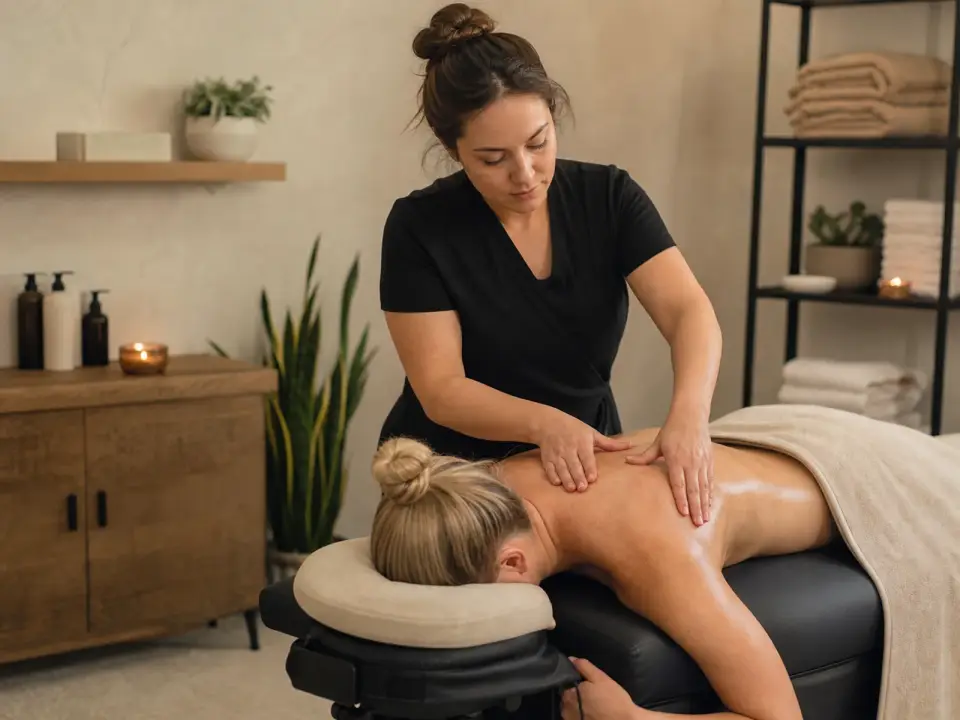
Beauty & Personal Wellness
Elements Massage offers therapeutic massage and skincare through individual sessions and monthly memberships.
Estimated total investment · USD
$520K+
2 offers with different terms
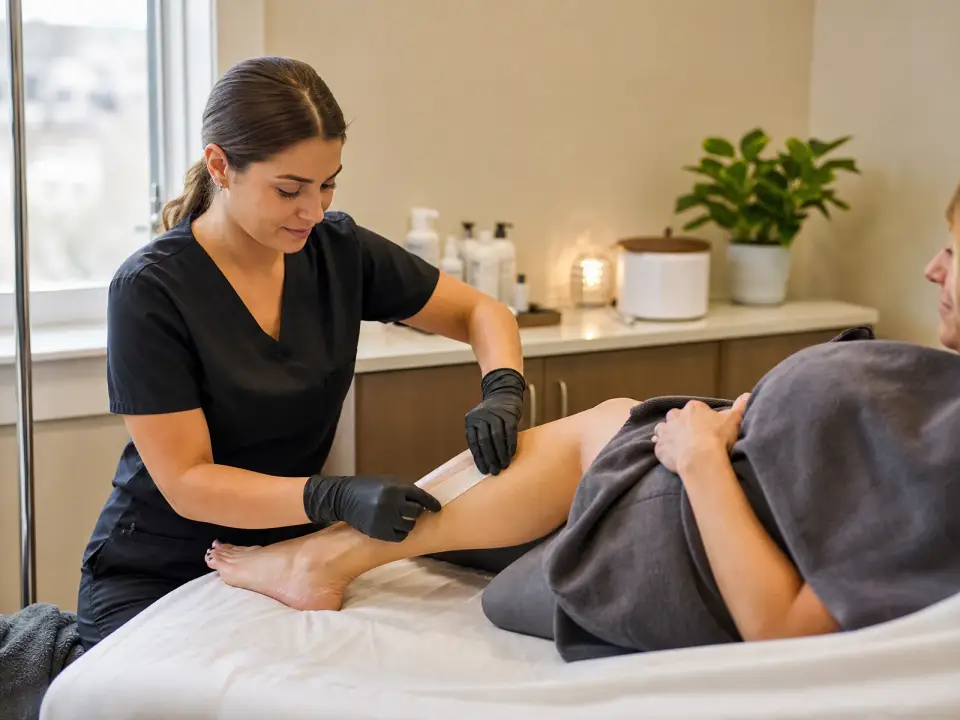
Beauty & Personal Wellness
European Wax Center offers facial and body waxing, related skin-care services, and retail products.
Estimated total investment · USD
$330K+
A service location sells appointments; a suite-rental business rents space to practitioners. That distinction changes how you recruit, manage the premises and earn revenue.
At a service location, owners coordinate practitioners, reception, schedules and supplies while keeping chairs or service rooms ready for customers.
Revenue may come from services, memberships or suite rent. Major costs can include labor, premises, supplies, equipment, royalties and required marketing.
Investigate practitioner recruitment, repeat bookings, cancellation policies, permitted services and who covers operations when a manager leaves.
Free consultation
Get help comparing brands, understanding the investment and planning your next steps.
The answer depends on the service, jurisdiction and franchise requirements. Owning the business and personally providing services can involve different qualifications. Most states require massage therapists to hold a license or certification. Ask the relevant licensing authority which credentials or permits the owner, practitioners, manager and premises need. Confirm the brand's owner qualifications separately; business training does not authorize you to perform a regulated service.
Some offers permit a hired manager, subject to approval and training. Others require substantial owner participation or restrict other work commitments. A manager does not remove your contractual responsibilities. Establish what you must do personally and what happens if the manager leaves. In some offers, the owner must resume direct supervision, which could conflict with another job.
Opening costs may include a lease, construction, chairs or service-room equipment, supplies, permits, insurance, training travel and promotion. Ongoing expenses can include practitioner compensation, reception, cleaning, software, royalties and required marketing. Identify which costs apply to the offer, including required equipment replacements or renovations. Keep cash for business operations separate from money for your personal living expenses.
Appointment utilization means how much staffed, bookable time customers actually use. A room needs both a practitioner and a booking to generate service sales. A late cancellation may leave time you cannot resell; an unfilled shift reduces the appointments you can offer. Ask how scheduling accounts for reminders, cancellations, walk-ins, breaks and cleanup. Busy-looking premises alone do not tell you how much usable appointment time is being sold.
A service salon sells services to customers. A suite-rental business rents space to practitioners, with responsibilities defined by the rental agreements. Investigate who sets service prices, handles bookings, receives customer payments and maintains equipment. Your focus may shift from filling appointments to attracting and retaining renters. You still need to establish your premises, maintenance and licensing obligations.
No. Memberships can structure repeat purchases, but customers still need reasons to stay and appointments they can book. Understand cancellation terms, included services, obligations for unused services and restrictions on changing the offer. Ask franchisees how they match membership sales with practitioner capacity. Selling memberships without enough appointment capacity can create service problems. Membership receipts alone do not show profit.
Still have questions? Talk to us