MR. HANDYMAN SPV LLC — FDD (Issuance date: April 1, 2026) · MR. HANDYMAN SPV LLC, Franchise Disclosure Document. Issuance date: April 1, 2026. · View source document ↗
The opening figure is the selected offer's low estimate, rounded to the nearest $10,000; estimates under $5,000 show the exact amount. Exact amounts and conditions follow.
Founded: 1996. Origin source ↗ · Checked 2026-11-18
Founded in Chelmsford, Massachusetts in 1996, Mr.
Company history
Units: 207. Locations in the US and Canada. Network size source ↗ · As of Observed 2026-11-18; source does not state a census date · Checked 2026-11-18
Mr. Handyman is a home and commercial maintenance, repair, installation, and improvement service brand founded by David Lavalle in 1996. The company provides handyman services that include repair, carpentry, remodeling, installation, assembly, and maintenance. Mr. Handyman operates 207 locations across the United States and Canada through a network of independently owned and operated franchises. Mr. Handyman is part of Neighborly, a home services franchise organization.
Network size statement
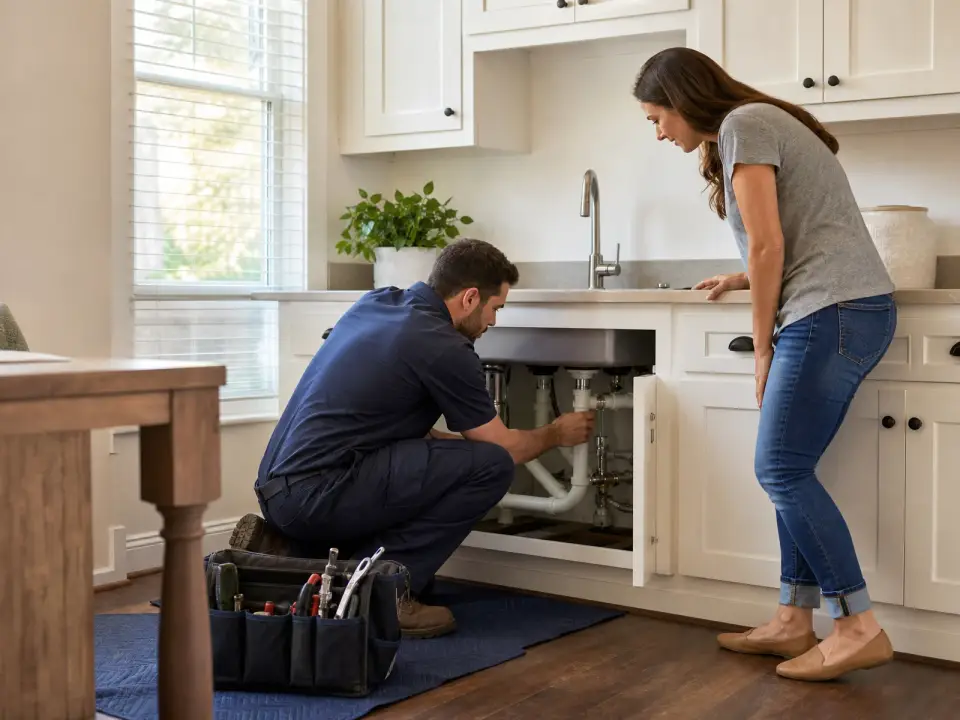
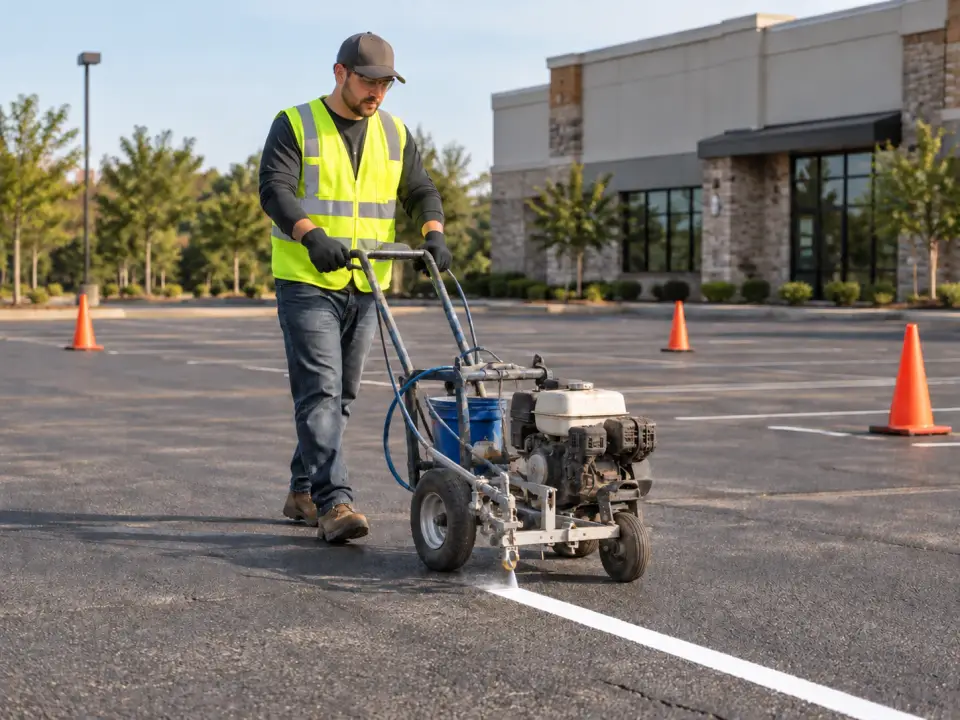
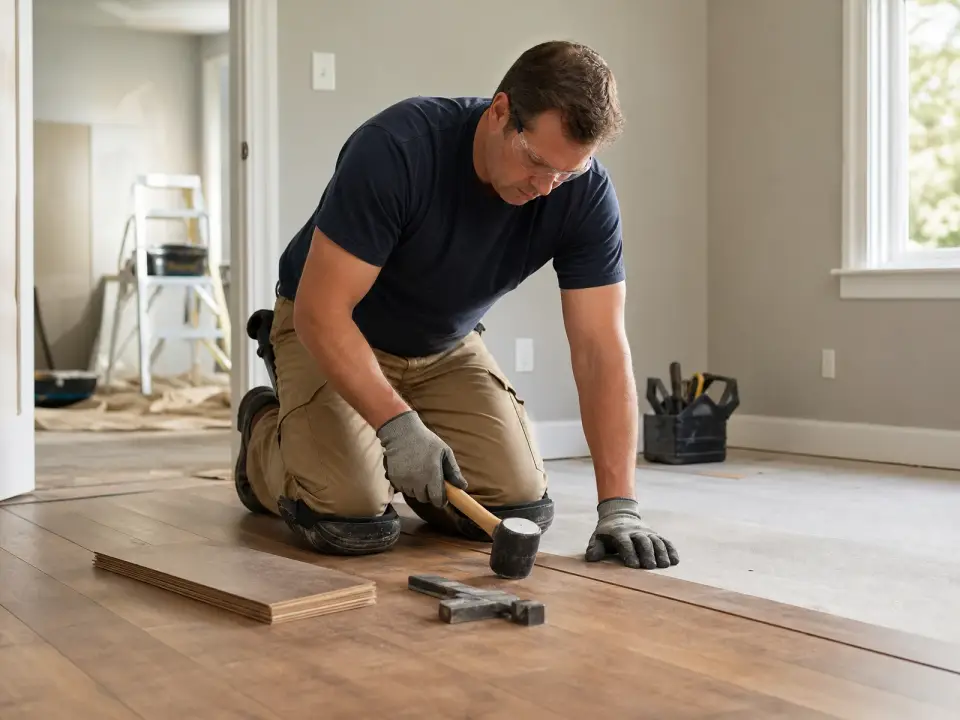
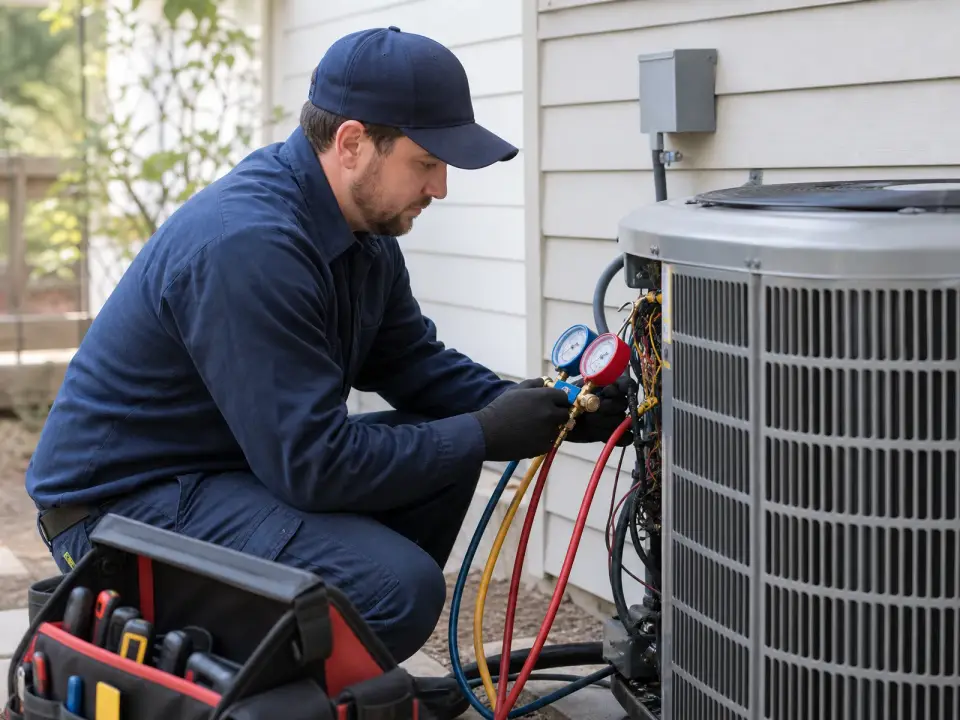
MR. HANDYMAN provides repair, maintenance and improvement services for homes and businesses. Franchisees generally hire experienced service professionals to complete jobs, using branded vans and software for scheduling and customer service.
Total initial investment
$161,900 – $215,000
US-dollar first-franchise estimate; costs vary by location and market. Includes $67,000 franchise fee and $5,500 package, both due at signing and nonrefundable, plus three months of funds excluding owner salary or draw. Includes office rent at the high end; budget separately for van acquisition.
MR. HANDYMAN SPV LLC, Franchise Disclosure Document. Issuance date: April 1, 2026. · Issuance date: April 1, 2026 · PDF pp. 37, 38
Initial franchise fee
$67,000
$67,000 for about 40,000-60,000 target households, due at signing and nonrefundable. Territory size can change the fee; above 60,000 households, add $0.70 per target household. Eligible discounts may apply; the franchisor decides whether and how they combine.
MR. HANDYMAN SPV LLC, Franchise Disclosure Document. Issuance date: April 1, 2026. · Issuance date: April 1, 2026 · PDF pp. 23, 37
Royalty
Paid weekly from signing, based on prior-week sales. Standard weekly minimums: $200 in weeks 40-78, $250 in 79-130, $300 in 131-182 and $350 from 183. Pay the greater of the rate or minimum. No material/subcontractor minimums. Stated rates exclude roll-in sales.
MR. HANDYMAN SPV LLC, Franchise Disclosure Document. Issuance date: April 1, 2026. · Issuance date: April 1, 2026 · PDF pp. 25, 35, 36
Advertising contribution
The marketing, advertising and promotion fund fee is collected weekly. Pay the greater of the applicable percentage or minimum. Material and subcontractor revenue have no minimums; the stated rate excludes roll-in sales. Required local spending is separate.
MR. HANDYMAN SPV LLC, Franchise Disclosure Document. Issuance date: April 1, 2026. · Issuance date: April 1, 2026 · PDF pp. 25, 35, 36; PDF pp. 25, 35, 36, 52
Local marketing
Fund fees are separate; use approved advertising. If established, a local marketing group requires up to 3% of Gross Sales. Contributions count toward local spending, but that minimum does not cap group contributions. Within that contribution, 2% of Gross Sales may fund Neighborly marketing and brand awareness. Shortfalls may be collected; discretionary credits are capped at $300/month.
MR. HANDYMAN SPV LLC, Franchise Disclosure Document. Issuance date: April 1, 2026. · Issuance date: April 1, 2026 · PDF pp. 25, 33, 34, 53; PDF pp. 25, 34, 53, 54
Your role
Owners generally manage the service business rather than perform the repairs themselves.
Owner involvement: Individual owners must directly operate or supervise unless the franchisor consents otherwise.
Main responsibilities: Hire experienced service professionals and ensure workers receive adequate training.
Manager requirements: An entity needs a trained owner supervising on site unless the franchisor approves a trained manager.
Your setup
Start with two vans that meet brand standards, required business software and an iPad for each technician.
Premises: Your office must be within the territory. Home use needs written approval and zoning permission; leased space is recommended.
Operating requirements: Check licenses before signing; get required contractor licenses before joining. Finish training and setup; open within 6 months of signing.
Training and support
You and one other person receive training in marketing, customer service, software and employee relations. Complete Sure Start, classroom and site training within six months of signing and before opening; field training may also be required.
Support includes periodic business visits, manual and supplier-list updates, refresher training, meetings and webinars. Training and events may carry fees, plus your travel and living expenses.
Fund vehicles, technology, required insurance and employee training. Offer only approved services and honor warranty rules, including some no-charge work originally performed by another franchisee.
What does the startup budget allow for?
It includes $60,000-$90,000 for the first three months of operating expenses, such as employee payroll, fuel and advertising. That allowance excludes separately listed costs and owner salary or draw; actual funding needs vary. The table separately budgets $3,500-$6,000 for computer hardware. Each technician needs an iPad, estimated at $500, and required software has ongoing fees.
What vehicle costs should I plan for?
Plan for two vans at opening. The investment table lists $7,500-$15,000 for three months of vehicle expenses, rather than the full purchase price. Buying and outfitting a van typically costs $50,000-$60,000 plus tax. Leasing deposits vary, and more vans will be needed as the business grows.
How are overflow and after-hours customer calls handled?
You must use the paid call-center program for overflow calls and calls outside business hours, including weekends. It handles customer inquiries, routes service requests and schedules estimates. The franchisor may later require the program for all customer calls.
Can a manager run the business?
Only with the franchisor's consent. The manager must complete training, directly supervise the business and qualify as a bona fide manager under the franchisor's standards. The manager need not own equity and may be required to sign a confidentiality agreement. Owners cannot have an interest or relationship with competitors.
What training costs and attendance should I plan for?
Initial training for you and one other person is included without an additional training fee; you pay travel and living expenses unless training is virtual. Periodic training and Reunion attendance are required at least every two years, with registration and travel costs borne by you. Missing Reunion can trigger a charge up to $2,000, prorated by days missed.