Baskin-Robbins
Baskin-Robbins restaurants sell ice cream, ice cream cakes, and related frozen desserts. Franchisees operate a restaurant with an approved menu, specified recipes, and required ordering and payment technology.
Owning a food and beverage franchise involves managing preparation, shift coverage and service within a brand's rules. It suits buyers who enjoy leading people and staying closely involved in daily operations.
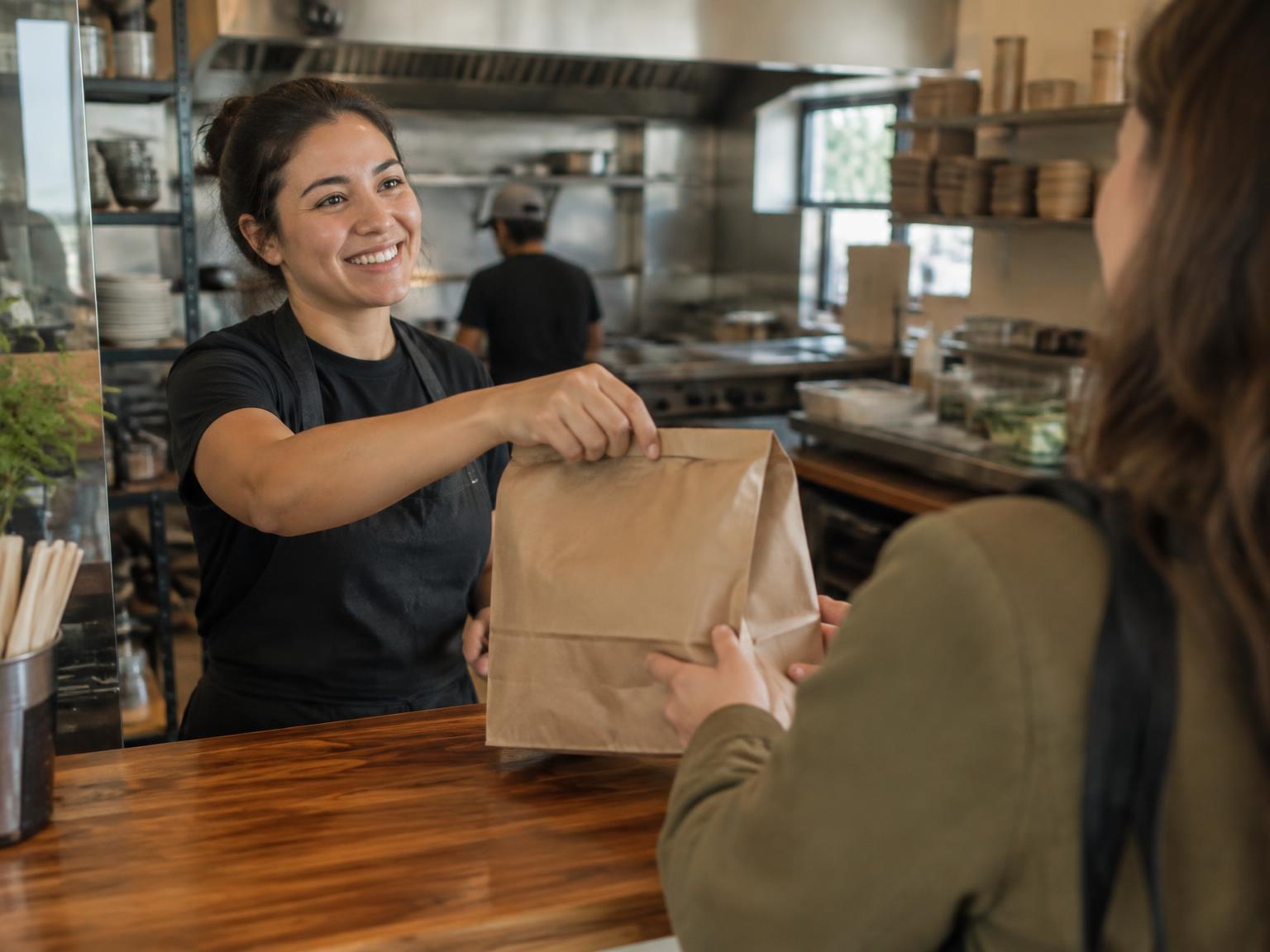
Compare what happens during a busy service period. A restaurant, coffee kiosk and mobile food business can need different staffing, preparation space and equipment.
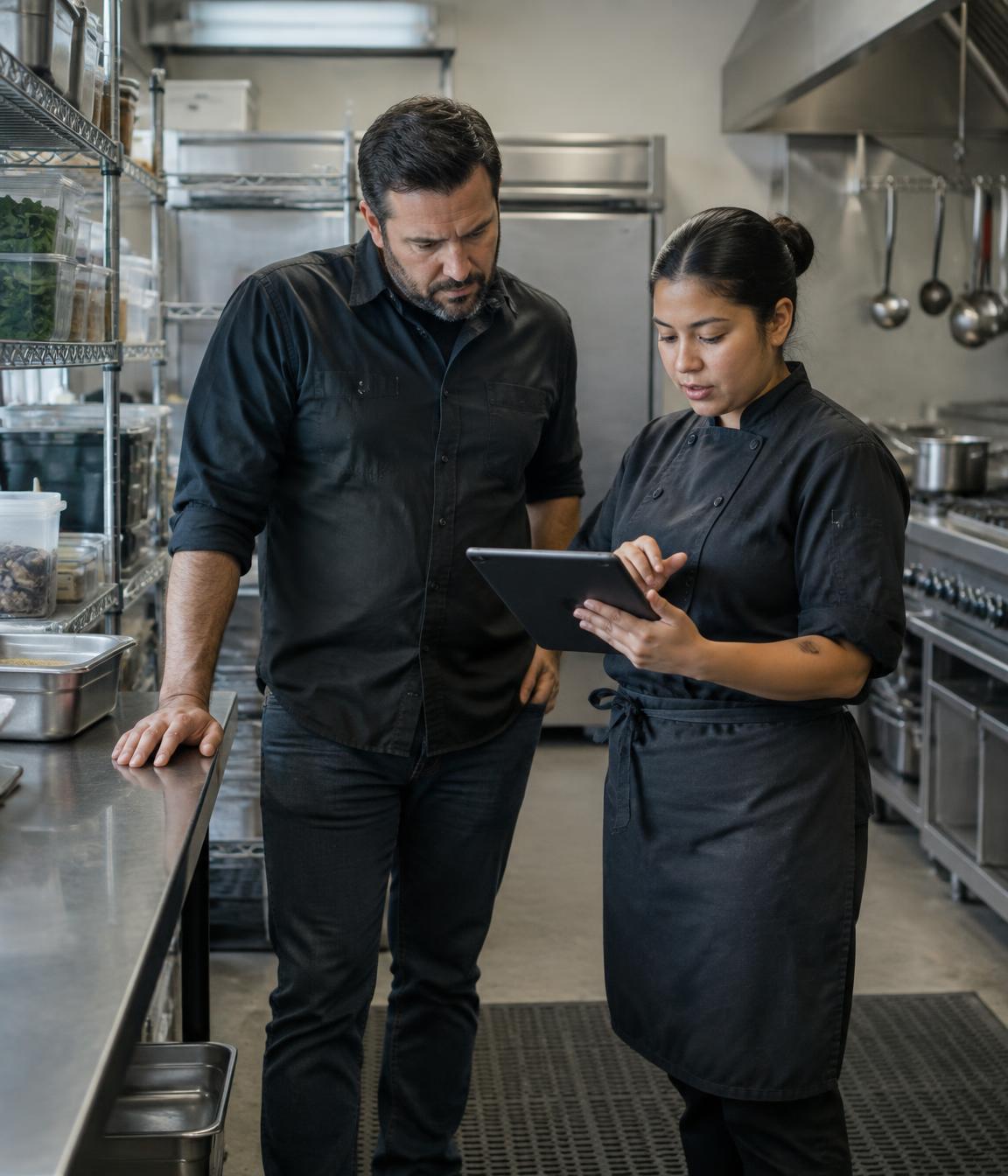
Owners oversee shift coverage, supplies and service. Kitchen staff, counter teams and premises needs depend on the menu and service format.
Food and drink sales fund ingredients, packaging, payroll, premises, equipment and franchise payments. Delivery may bring additional charges.
Investigate site suitability, peak-period capacity, supplier rules and training. Understand the lease and renovation obligations before committing.
A selection of brands to explore. Chosen editorially; not a ranking or a recommendation.
1 of 2
Free consultation
Get help comparing brands, understanding the investment and planning your next steps.
Free for buyers. Franchisors may pay FranRelay if you go ahead; we tell you before any introduction, and nothing happens without your go-ahead.
Compare preparation work, service method and premises obligations. Does the restaurant need table-service staff? Does the coffee format use indoor ordering, a drive-through or both? Where can the mobile business prepare food and serve customers? Pizza, bakery, dessert and beverage offers also differ in equipment and workflow. A focused menu alone does not establish a lighter workload or a lower total cost.
Entry requirements vary by franchisor. Find out whether food-service experience is required and what training covers preparation, safety, ordering and business management. Training still leaves you responsible for leading people and responding to service problems. Franchisees with backgrounds similar to yours can explain where training prepared them and where they needed additional help.
Depending on the format, opening costs may include a lease deposit, construction, equipment, signs, inventory, permits, insurance and training travel. Ongoing costs can include payroll, ingredients, packaging, rent, royalties and required marketing. Budget operating cash for the period after opening, and keep personal living expenses separate. Ask what equipment replacement or premises renovations the agreement may require later.
Some offers allow a hired manager, subject to training, approval and owner-participation requirements. Others require more direct owner involvement. Establish your duties before building a plan around a manager. You still need financial oversight and a response to manager absences or staff shortages. Management payroll belongs in your cost estimate, including when you are not working a service shift yourself.
Franchisors may restrict menus, recipes, preparation methods and suppliers. Local products, substitutions or seasonal additions may need approval or may not be permitted. Ask what happens when an approved ingredient is unavailable and who can authorize an alternative. These rules affect purchasing flexibility and your ability to respond to local preferences. A cheaper ingredient is not necessarily an allowed substitute.
Consider ingredients, packaging, labor, platform charges and promotions alongside the order price. Rent and other ongoing costs still need to be covered. Ask who sets delivery prices, which platforms are required or permitted, and who bears refund costs. Capacity matters too: if delivery orders arrive during a counter-service rush, could both sets of customers face longer waits? Extra sales do not necessarily produce extra profit.
Still have questions? Talk to us